Redesigning tourism for people, place & planet
For two decades, the tourism industry has worked hard to become more sustainable. Hotels replaced plastic straws with paper ones. Airlines launched carbon offset programmes. Destinations created eco- labels and green certification schemes. And tourism professionals across Europe began talking about responsibility, footprint and impact.
These were important steps. But they were not enough. Because sustainability, at its core, is still a logic of damage limitation. It asks us to take less, consume more carefully, and leave a smaller mark. It operates within an extractive system and tries to make that system slightly less harmful. And while the industry was busy reducing its footprint, the coral reefs kept bleaching, the historic city centres kept emptying of residents, and the communities hosting millions of visitors every year kept asking the same question: what do we actually get from this?
Regenerative tourism starts from a fundamentally different premise. It does not ask how we reduce our impact — it asks how we actively improve the places we visit. It does not settle for leaving destinations as we found them. It demands that we leave them better.
This shift sounds subtle. But it changes everything. It changes how experiences are designed — from entertainment to ecological contribution. It changes how destinations are governed — from visitor management to community stewardship. It changes how success is measured — from arrivals and revenue to biodiversity indicators, resident wellbeing and cultural vitality.
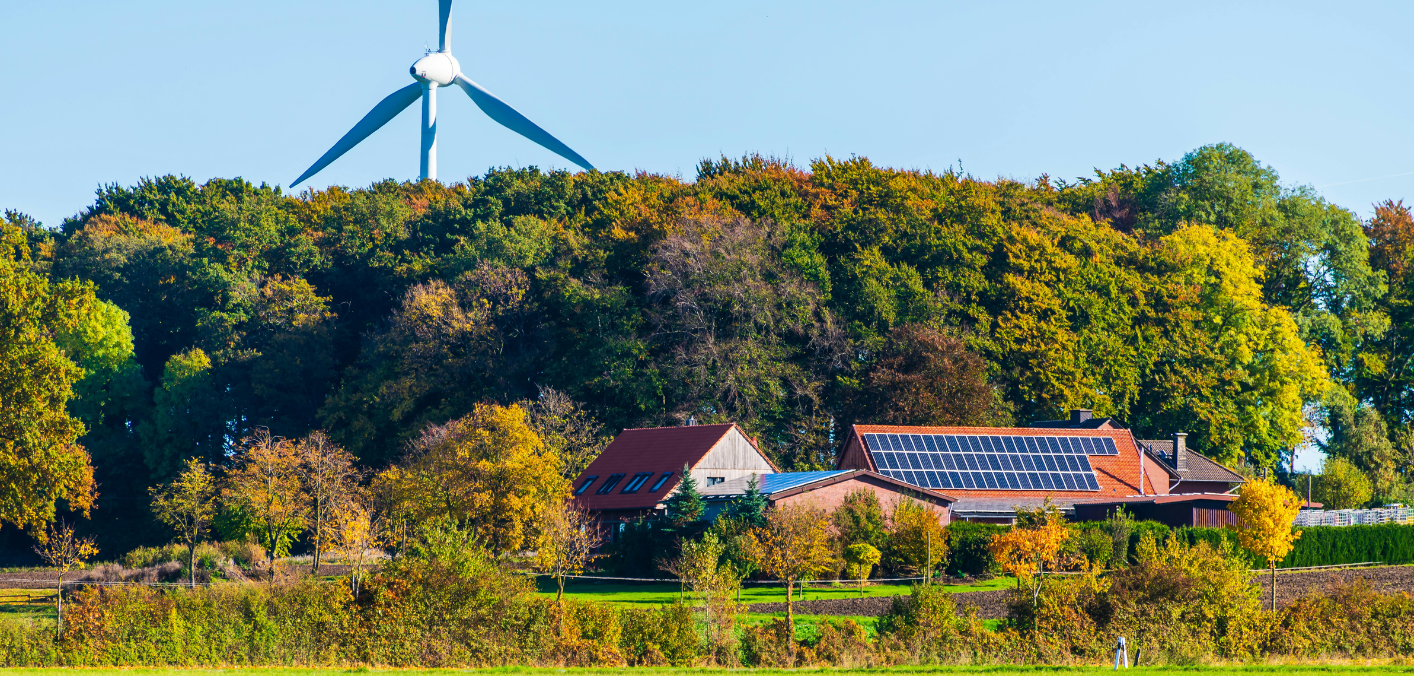
In Navarra, Spain, visitors walk a trail where every step involves installing nesting boxes for birds and restoring native meadow plants. In El Hierro, an entire island has built a tourism identity around its commitment to 100% renewable energy. In Italy, abandoned villages are being brought back to life not by building new hotels, but by integrating visitors into living, breathing communities. In Austria, rural tourism operators have built supply chains with local organic farmers, ensuring that every visitor meal strengthens the surrounding agricultural ecosystem rather than bypassing it.
Co-Funded by the European Union. Views and opinions expressed are however those of the author(s) only and do not necessarily reflect those of the European Union or the Foundation for the Development of the Education System (FRSE). Neither the European Union nor FRSE can be held responsible for them.